Philosophy Spotlight: BH Ogmios

”We know that the people living on Earth have nothing to do with the tyrants who exiled our ancestors, a crime which happened over a century ago. In all likelihood, the world has forgotten us entirely. But our war is not motivated by a desire for justice. We invade for conquest. I can admit that my desire for power drives me, and know that everyone else wants the same for themselves.”
-Thrax, Mech Designer of BH-Ogmios
Inspiration: Plato
In Plato’s Republic, Thrasymachus says justice is defined by what serves the interests of the powerful. At first, this definition seems to affirm “might makes right”. It is just that the powerful dominate, and whoever seizes power has the right to determine what is just for their subjects. Socrates presses this point, pushing Thrasymachus to concede that an abusive tyrant does not act justly in any real sense, so what he really means is that the tyrant gets to act unjustly while those following him (serving the tyrant’s interests) are acting justly.
This concession makes Thrasymachus’ view seem like a cynical take on justice that dismisses it as a lie told by those in power to keep their subjects in line. Rulers make laws that serve their own interests, weak people follow laws out of fear and tell themselves that they are noble for doing so.
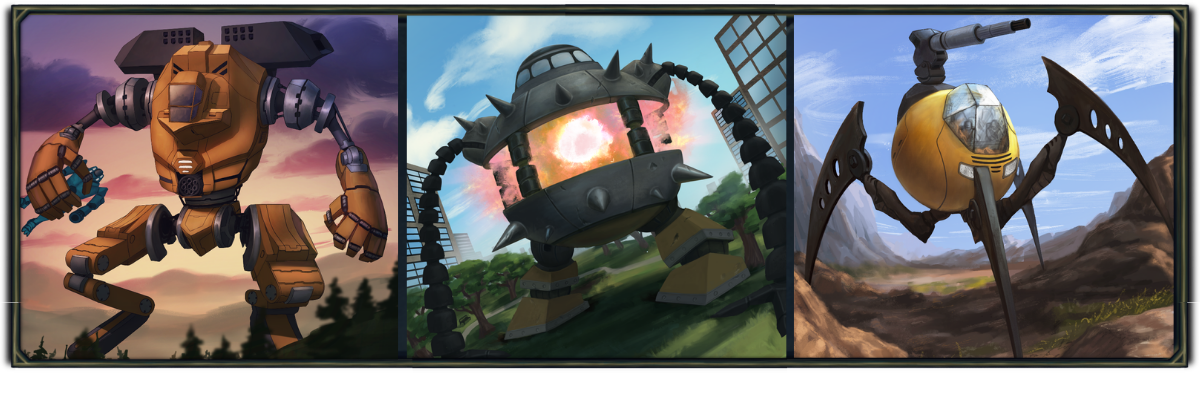
Mech invasion in Sunyata
Instead of dismissing this view as naive cynicism, Socrates sniffs out the underlying view of justice that motivates it, which he sees as the biggest threat to real justice. Thrasymachus believes there is no justification for following laws, except insofar as you are compelled by force, because he does not believe there are good reasons to act ethically instead of pursuing your own desires. People who behave ethically for its own sake, rather than out of fear of punishment, are being fooled by those in power to sacrifice their self-interest for no good reason. So what Thrasymachus ultimately believes is that the only good thing is getting what we want, and he idolizes the life of a tyrant because he is able to maximally satisfy his desires through power.
Socrates’ critique of the tyrannical mindset is both extremely demanding and surprisingly modest. He methodically describes what must be true in order to reject its definition of the good/just, noting that justice must be its own reward independent of any other consequences. Even more challenging, if justice is the system we use to determine moral behavior, it must always be the case that it is better to act justly rather than unethically, no matter what the potential costs or benefits are. The most destitute just person must have a preferable life than the most successful tyrant, because acting justly must always be what we should do even if it means sacrificing our entire self-interest.
After setting the bar this high, Socrates admits he cannot convincingly argue for this sense of justice, but instead leaves it to the reader to think through the reasoning themselves, optimistically hoping that someday philosophy will be able to demonstrate the argument he could not form. The philosophy for BH-Ogmios is an homage to this challenge, demonstrating the tyrannical value set that moral philosophy still has difficulty refuting.